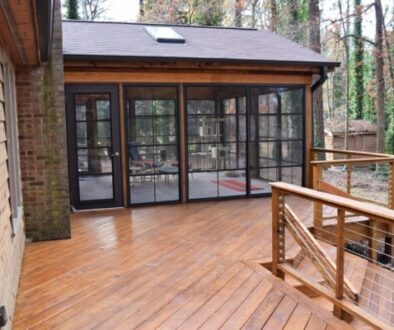
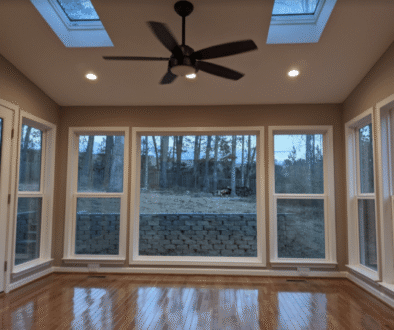
How a Sunroom is Structurally Tied Into Your Existing Home

A sunroom is a fantastic addition to any home, offering a space where you can enjoy natural light, scenic views, and a connection to the outdoors while being sheltered indoors. Adding a sunroom to your property not only enhances the aesthetic appeal but also increases its value. If you’re considering this home improvement, you may have questions about how it’s integrated into your existing home.
In this blog post, we’ll explore the structural considerations and key steps involved in tying a sunroom to your home to ensure it’s safe, functional, and energy-efficient.
Choosing the Right Location for Your Sunroom Addition
The first step in the process of adding a sunroom is deciding where it will be located. The ideal location depends on several factors, including the amount of sunlight the room will receive, the type of views you want to enjoy, and the overall design of your home. A well-placed sunroom can maximize natural light and offer beautiful views of your yard or landscape. Typically, sunrooms are built adjacent to the house, often connected to the living room or dining area, to extend the living space.
Whether you choose a patio, porch, or garden area, the location you choose will dictate how the sunroom is structurally tied to your home. The connection point is essential, as it will affect the foundation, the structural integrity of the walls, and the transition between the roof of your home and the new room. A sunroom contractor can help you evaluate the best spot for your new space while considering factors like wind, rain, and snow protection.
Foundation: Laying the Groundwork for a Durable Sunroom
Just like any home addition or extension to your home, a sunroom needs a solid foundation. Depending on your home’s existing foundation and the type of sunroom you want to build, this could involve different types of footings or slab foundations.
For example, if your home has a concrete slab, your sunroom may be built directly on top of it, with additional reinforcements to ensure stability. If your home has a crawl space or basement, the sunroom may need additional footings or foundation walls to align with the rest of your home’s structure. This ensures the sunroom addition can handle the cost and weight of the materials, including aluminium, fiberglass, or wood used in the frame and siding.
Proper attention to the foundation also helps with ventilation, climate control, and humidity management, which are important for comfort in your sunroom. You don’t want issues with water damage or leaks causing costly repairs down the line. Concrete floors and foam insulation can help with both the foundation’s stability and energy efficiency.
Connecting the Sunroom to the House: Structural Ties and Wall Integration
Once the foundation is ready, the next step is to connect the sunroom addition to your existing house. There are two main ways sunrooms are tied to the house: using the existing walls or connecting through a new opening.
-
Attaching to Existing Walls
When a sunroom is built directly onto the side of your home, it’s typically tied into the existing structure via a wall or frame. The wall connection is essential to ensuring the sunroom’s stability, which is why your contractor will use the same framing materials as the rest of your home. Typically, this will involve securing the walls of the sunroom to your home’s existing studs, ensuring a seamless transition between the two spaces. This also includes securing the roof structure and ensuring energy efficiency, especially when using solar or low emissivity glass for the windows.
The wall connection can also include the siding of your home, blending the sunroom design with the rest of your house’s exterior to create a cohesive look.
-
Creating a New Opening
Another way to connect a sunroom to your home is by creating a new opening in an existing wall. This approach may involve removing a portion of the exterior wall to create a door or large window opening, providing access to the new sunroom. This process needs to be done carefully to avoid compromising the integrity of the wall. A general contractor will need to install structural headers and other reinforcements above the opening to support the load above the new sunroom walls.
Roofing Integration: Seamless Transition and Climate Control
One of the most important considerations when adding a sunroom addition is ensuring that the rooflines of the sunroom and your home blend seamlessly. A poorly connected roof could lead to leaks and water damage, making it essential to match the roof design of your sunroom with that of your house.
-
Shed Roof Sunrooms
A shed roof design involves a single sloping roof that runs from the existing home to the outer edge of the sunroom. This design typically matches the pitch of your existing roof, or it may have a slight variation to blend in with the home’s aesthetic. Roof flashing is a critical step in the installation process, as it ensures water flows properly and avoids leaks from rain or snow.
-
Gable Roof Sunrooms
If your home has a gable roof, a sunroom addition can feature a similar roof structure. This design ensures a traditional, symmetrical look that ties the sunroom in with your house’s existing roof. The ridge of the roof can either match or slightly extend beyond the house’s roofline, creating a harmonious connection between the two spaces.
-
Skillion Roof Sunrooms
This style features a roof that slopes in one direction, creating a modern and minimalist design. The skillion roof allows for a distinct architectural statement while maintaining functional integration with your house’s roof. This design works especially well for conservatories or four-season sunroom additions, offering flexibility in how daylight enters the room. The ceiling fan may also be integrated for ventilation during warmer months.

Energy Efficiency: Insulation, Windows, and Glass Considerations
While sunrooms offer abundant natural light, they can also be prone to temperature fluctuations due to the large amounts of glass used in their design. Proper insulation and energy-efficient windows are vital to ensuring the space remains comfortable year-round.
Modern sunrooms are often built with low emissivity (Low-E) glass, which helps regulate heat loss and gain. These windows also filter UV rays, preventing damage to your furniture and flooring while reducing the expense of heating and cooling. Insulating the walls and roof can also minimize energy use, especially in a sunroom addition with high sunlight exposure.
By incorporating air conditioning and ventilation systems, you can further enhance the climate control within your sunroom.
Planning and Budgeting: Managing Costs and Expectations
Before you begin your sunroom addition, it’s essential to plan ahead and establish a budget. Factors such as the size of the sunroom, the type of materials used (wood, aluminium, fiberglass), the foundation requirements, and the complexity of the roof design will all impact the final cost. Additionally, consider the long-term expense of maintaining the sunroom. For example, rain, wind, and snow may require additional reinforcement of the siding, roof, and foundation to ensure structural integrity.
Request a quote from a sunroom contractor to get a clear idea of the cost to add a sunroom and potential sunroom addition cost factors.
When properly designed and built, a sunroom becomes a beautiful extension of your living space that’s fully integrated with your home’s structure. By following the necessary structural steps—foundation, wall connections, roof integration, and ensuring energy efficiency—you can enjoy the comfort and charm of your sunroom addition for many years.
At Jam Carolina, we specialize in creating beautiful sunroom additions that not only enhance your home’s aesthetics but also provide lasting comfort. Whether you want to build a conservatory, a solarium, or a screen room, we’re here to help you bring your vision to life.
Ready to add a sunroom to your home? Contact Jam Carolina for expert advice, professional sunroom design, and installation services in Raleigh, Durham, and Cary, NC. Request a free quote today, and let us help you transform your space into a sunlit retreat.
How Can Jam Carolina Help You?
At Jam Carolina, we specialize in designing and building stunning sunrooms that enhance your home’s beauty and functionality. Whether you’re interested in a cozy solarium, a spacious four-season sunroom, or a stylish screen room, our expert team is here to guide you through every step of the process. From planning and design to construction and installation, we ensure a seamless experience.
Ready to add a sunroom to your home? Contact us today for a free quote and let Jam Carolina transform your living space into a bright, inviting retreat!
Frequently Asked Questions
What are the benefits of adding a sunroom to my home?
A sunroom adds extra living space, increases natural light, enhances your home’s value, and provides a comfortable place to enjoy the outdoors year-round.
How do I maintain my sunroom?
Regular maintenance includes cleaning windows, checking seals for leaks, inspecting the roof for damage, and ensuring that the foundation remains stable, especially after extreme weather.
Can a sunroom be heated and cooled?
Yes, sunrooms can be equipped with HVAC systems, ceiling fans, or electric baseboard heaters to regulate the temperature and provide comfort year-round.
Is a sunroom a good investment for my home?
Yes, adding a sunroom typically boosts property value, offers additional usable space, and enhances the overall aesthetic appeal, making it a worthwhile investment.
What are the most energy-efficient materials for a sunroom?
Materials like Low-E glass, insulated walls, and energy-efficient windows and doors can help reduce heating and cooling costs, making the sunroom more energy-efficient.