Signs of Wood Rot: How to Spot It and What to Do Next
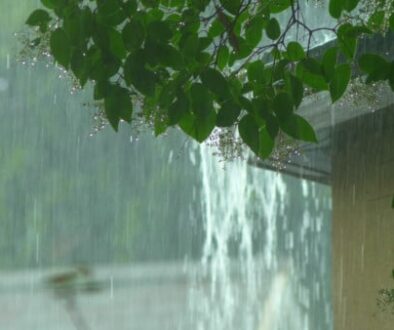
Wood rot rarely starts with a dramatic warning. Most of the time, it begins as a small moisture problem—water that sits where it shouldn’t, a tiny gap in caulk, a gutter overflow, or a shaded corner that never fully dries. In North Carolina’s humid climate (plus rainy seasons and big temperature swings), that moisture can quietly break down exterior wood over time. The good news is that catching rot early can save you from bigger repairs later. Here’s how to spot the signs, where to look first, and what the next steps should be.
What Wood Rot Looks Like (and Why It Happens)
Wood rot occurs when moisture repeatedly soaks into wood and has time to linger. Fungus begins to break down the wood fibers, and what was once solid becomes soft, crumbly, or hollow. It’s most common around edges and joints—anywhere water can sneak in and stay.
Rot doesn’t always mean your whole exterior is failing. In many homes, it’s localized and fixable, especially when you address the root cause of the moisture at the same time.
Early Warning Signs Homeowners Can Spot
Look for these common red flags during a simple walk-around:
Paint That Doesn’t Look “Normal”
- Bubbling or blistering paint
- Peeling that returns quickly after repainting
- Dark staining under trim edges or near seams
If paint keeps failing in the same area, moisture is likely trapped behind it.
Soft or Spongy Wood
Gently press trim boards with your hand (no tools needed). If a section feels slightly “give-y,” that’s worth checking. Rot often shows up first on:
- Window sills and lower window trim
- Door frames, especially at the bottom corners
- Fascia boards behind gutters
- Porch posts and column bases
Cracks, Gaps, and Separating Joints
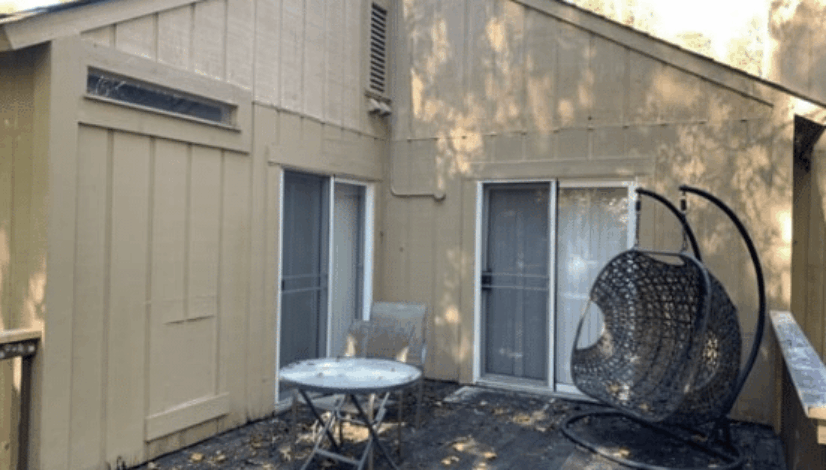
Small gaps in caulk lines, trim corners pulling apart, or boards that look slightly warped can signal water intrusion. Pay close attention to any place two materials meet—wood-to-brick transitions, trim-to-siding joints, and around penetrations like hose bibs and exterior vents.
Musty Smells or Interior Clues
Sometimes rot shows itself indoors first. Musty odors near a window, staining on drywall, or a soft spot near a baseboard can indicate exterior water intrusion that may have started outside at trim or siding joints.
Where Wood Rot Hides Most Often
If you only check a few areas, start here:
- Behind gutters and at fascia boards where overflows happen
- Around windows and doors where flashing or caulking has failed
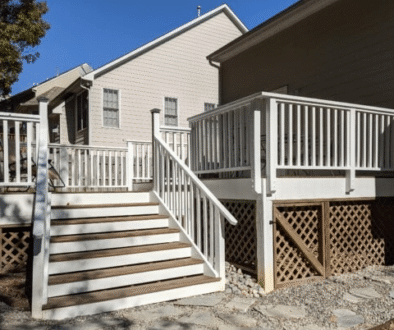
- Deck ledger boards and areas where decks connect to the home
- Lower wall sections near ground level where splashback occurs
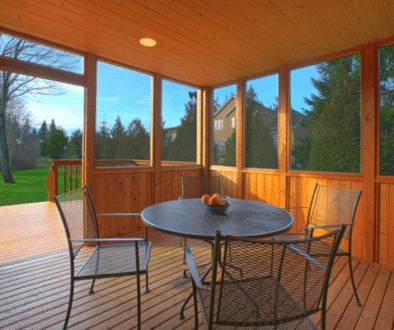
- Screen porches and older additions where transitions were not sealed well
In the Triangle, leaf buildup and clogged gutters are a frequent contributor, because water gets pushed behind fascia and into trim.
What to Do Next (and What Not to Do)
If you suspect rot, avoid quick patch fixes that cover the issue without removing it. Painting over rot or filling it without correcting moisture usually leads to repeat damage.
A smarter approach:
- Identify the moisture source (gutter overflow, failed caulk, missing flashing, grading issues)
- Remove damaged material down to solid wood
- Repair and rebuild the area correctly with proper flashing and sealing
- Upgrade materials when helpful (rot-resistant trim or fiber cement in problem areas)
How Jam Carolina Exteriors Handles Wood Rot Repairs
Jam Carolina Exteriors approaches rot as both a repair and a prevention project. We inspect the affected area, locate where water is getting in, and recommend a repair plan that restores structural integrity and improves long-term performance. Depending on the location, that can include:
- Replacing damaged trim, fascia, soffit, or siding sections
- Addressing gutter and drainage contributors
- Rebuilding transitions around windows, doors, or porch components
- Upgrading to more durable exterior materials where it makes sense
The goal is a clean finish that looks original to the home—without recurring rot in the same spot six months later.
Protect Your Home Before Small Repairs Become Big Ones
Solid Trim, Dry Walls, and Long-Lasting Curb Appeal
When wood rot is caught early and repaired the right way, you protect your home’s structure and avoid the expense of larger rebuilds. Jam Carolina Exteriors can inspect problem areas, repair damaged wood, and correct the moisture issues that cause rot in the first place. Call (919) 804-8689 for a free consultation, and let’s keep your Triangle home strong, sealed, and looking its best.